- “Fine in winter, poor in August”
- “Condenser visibly dirty or corroded”
- “Running constantly on the hottest days”
Symptom
U-Line an outdoor unit struggling in summer
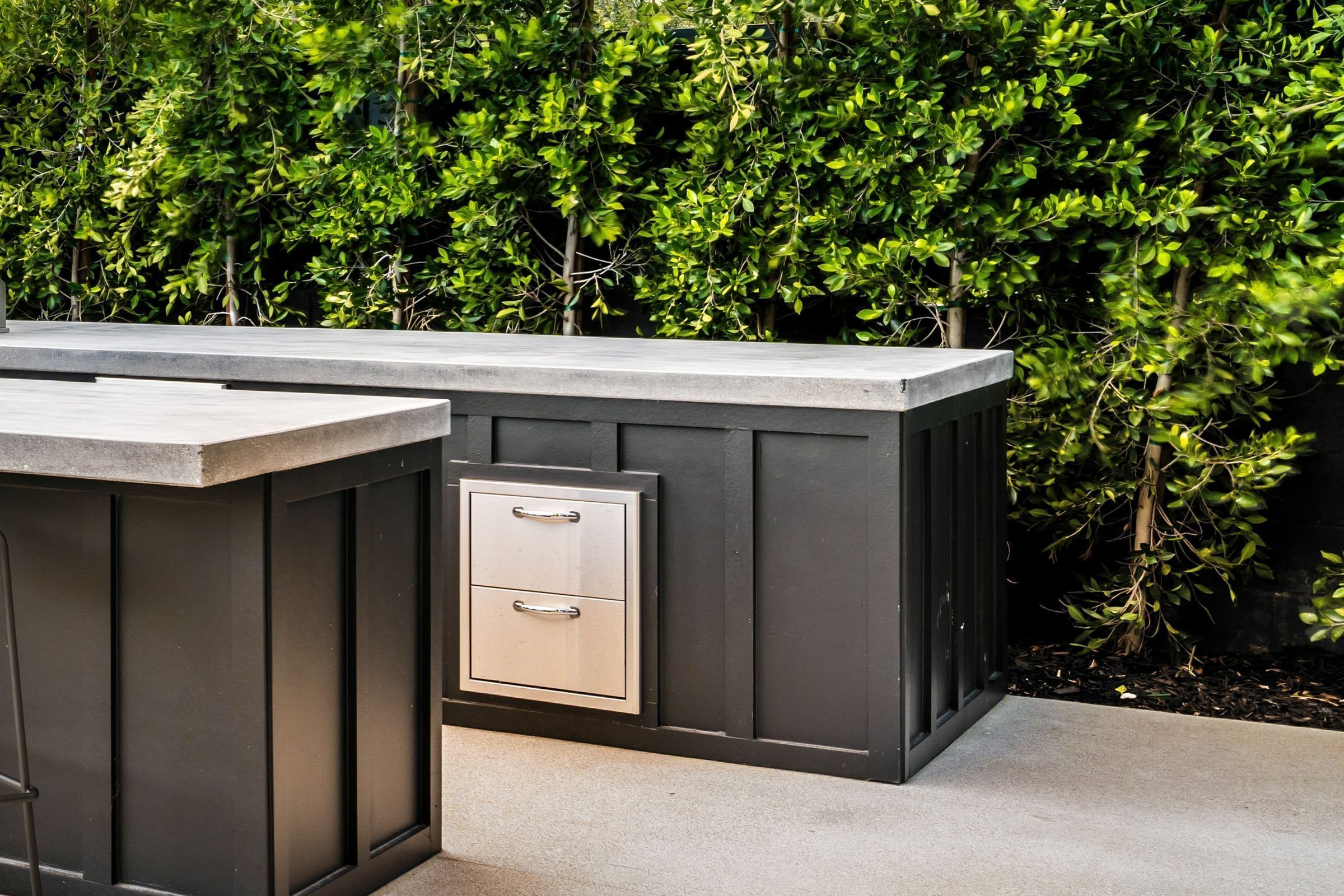
Twenty-six of these seventy-six models are outdoor units, and in South Florida that is a different job rather than a different location. Salt, humidity and an ambient that sits above what any kitchen sees are the load, and the appliance was designed for it — but only when it is maintained for it.
- From $95 diagnostic, credited to the repair
- 59 cities and neighborhoods covered
- OEM parts available on order
- In writing the price, before anything is opened
Four ordinary causes
What this usually turns out to be
Cheapest and commonest first, which is also the order we check them in. They sit hundreds of dollars apart, and only the unit settles which one is yours.
-
A condenser that cannot shed heat
The first answer, and outdoors it arrives faster. The service interval that works in a kitchen does not work on a terrace.
Outdoor and marine unit service from $195 -
Ambient beyond what it was set up for
The manual names excessive ambient temperature and direct sunlight. A unit in afternoon sun with no shade is being asked for more than it can give.
Outdoor and marine unit service from $195 -
A seal working harder than any indoor seal
Humidity is the load out here. A marginal seal that would pass in a kitchen will not pass on a terrace.
Door seal replacement from $155 -
Corrosion on the parts that hold it together
Fixings, brackets and door furniture. It rarely stops the appliance and it frequently makes the repair twice the job.
Outdoor and marine unit service from $195
In five minutes
Before you call anybody
None of it needs tools, and all of it makes the visit shorter.
-
01
Look at the condenser coil
Grey rather than clean means it is not shedding heat, and outdoors that happens much faster than in a kitchen.
-
02
Check what shade it has
The manual names direct sunlight and excessive ambient temperature outright. An appliance in afternoon sun is being asked for more than it can give.
-
03
Feel the air leaving the grille
It should be warm and moving. Nothing moving is a condenser fan or a blocked grille.
-
04
Check the fixings and the door furniture
Salt corrodes the things that hold the appliance together before it stops the refrigeration.
How it shows up
What people describe when they call
A shortcut
Narrow it down before anybody arrives
A description of the behaviour leaves a few possible causes. A code names the subsystem before anybody opens anything, which is why it is worth photographing before it clears.
If the display is showing something
- E5 Thermistor 1 shorted. In plain terms, the cabinet
- E6 Thermistor 2 shorted. In plain terms, the evaporator
- E1 Thermistor 1 open. In plain terms, the cabinet
- E2 Thermistor 2 open. In plain terms, the evaporator
Photograph it before it clears — codes do not wait. Search the full code list
In more detail
About U-Line an outdoor unit struggling in summer
Look at the condenser before anything else
An outdoor condenser collects salt as well as dust, and salt holds water against metal. A coil that looks grey rather than clean is not shedding heat, and in August that is the difference between an appliance that keeps up and one that does not.
A third of this catalog lives outside
Twenty-six of U-Line's seventy-six US models are outdoor units, and several more are marine. These appliances are built for it — but built for it with maintenance, and the service interval that works for a kitchen unit does not work for one on a terrace three blocks from the water.
Salt is the difference, not heat
Heat is a load an outdoor unit is designed for. Salt is the thing that changes the appliance: it holds moisture against metal, it takes the condenser's ability to shed heat away gradually, and it corrodes fixings and door hardware so that a straightforward repair becomes twice the job. Nearly everything on this page comes back to how close to the water the appliance is.
This article is based on:
- Official manufacturer documentation
- Internal repair procedures
- Technician repair history
- Company quality standards
Before you book
Questions about U-Line an outdoor unit struggling in summer
It was fine last summer.
A year of salt is a measurable amount on a condenser. Outdoor units degrade gradually and then miss a summer, which is why they are worth servicing on a schedule rather than on a complaint.
Should I cover it in the off season?
Only with something that breathes. A sealed cover on an outdoor appliance in this climate traps humidity against it, which is worse than the weather it was keeping out.
Where we do it
Across Miami-Dade, Broward, and Palm Beach
Same terms everywhere we go: an on-site diagnostic first, the price agreed in writing, and the exact figure confirmed once we have seen the unit.
Neighborhoods people ask for by name