Appliance
U-Line undercounter refrigerators
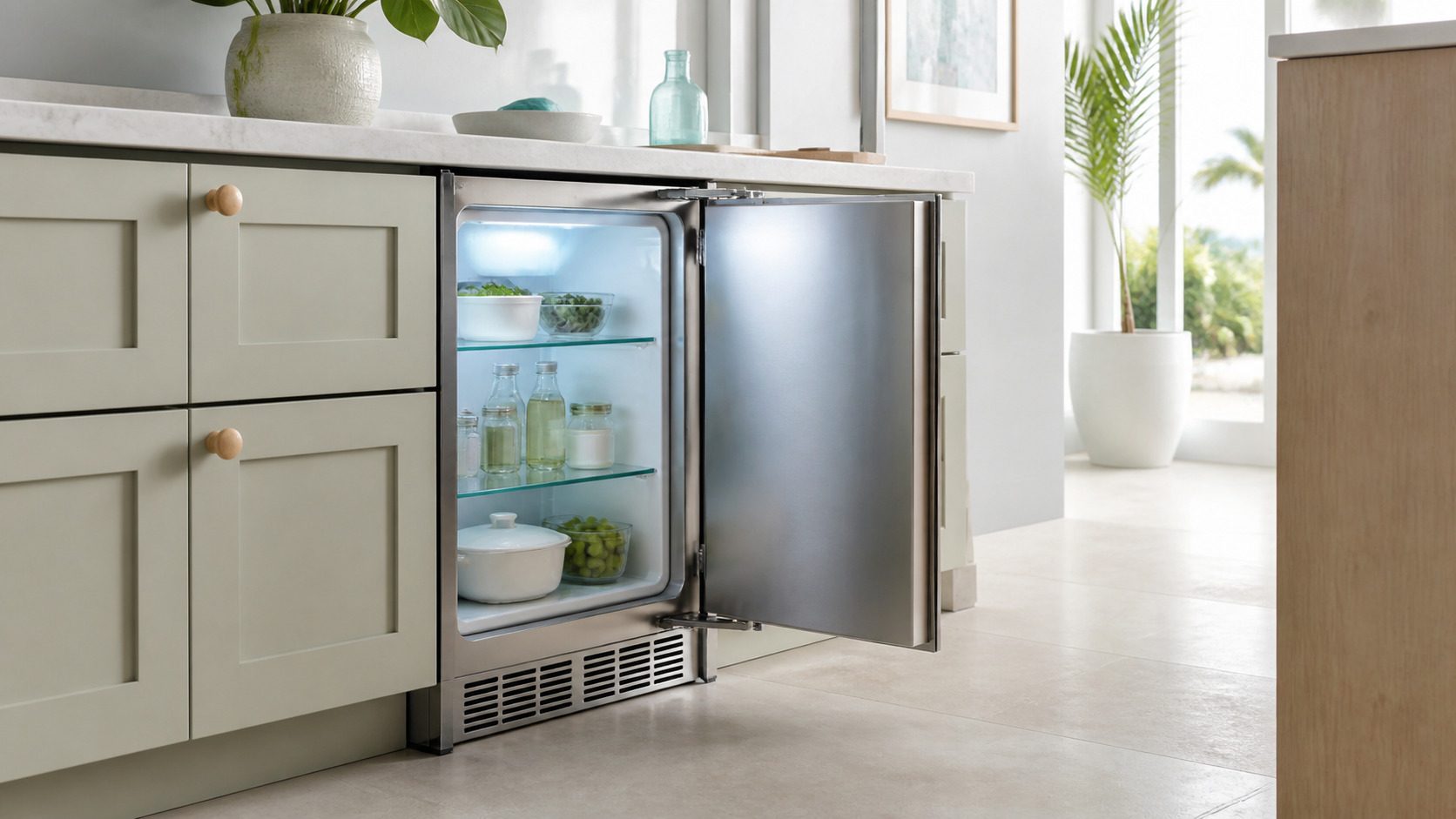
25 refrigerators and refrigerated drawers in U-Line's US catalog, and almost all of them are built into something. Fifteen, eighteen and twenty-four inches wide, in solid, glass and panel-ready fronts, plus the 36-inch modular pair and the drawers. Tell us the model and whether it carries your own cabinet front — that decides how the visit is planned before anything else does.
- 14 symptoms we are called out to
- From $95 diagnostic, credited to the repair
- 59 cities and neighborhoods covered
- OEM parts available on order
The short version
What this equipment is, for a repair
Configurations
25 models · solid, glass and integrated · drawers
Access
Planned before the visit, not discovered on arrival
Parts
OEM, available on order
Diagnostic
From $95, credited to the repair
What goes wrong with it
Symptoms we are called out to on U-Line undercounter refrigerators
Each one covers the likely causes in the order they are worth checking, and what to do in five minutes before booking anything.
-
It hums, it lights up, and nothing is cold Not cooling but still running
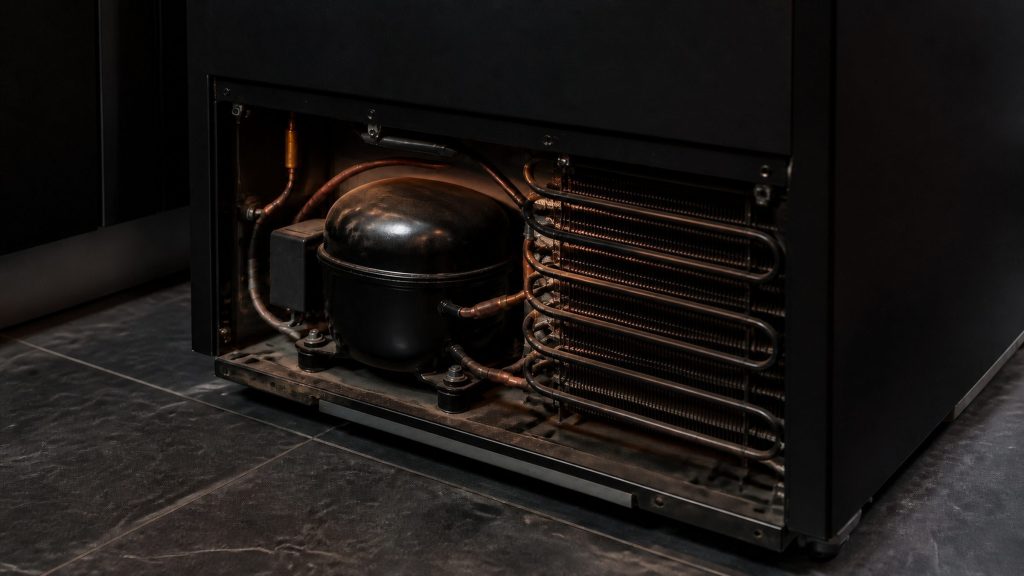
The most common call on this make and the one with the cheapest answer hiding inside it. Before anything is opened, two modes have to be ruled out — one of them lights the display, works the light and deliberately stops the refrigeration.
- Running, lit, and warm inside
- Started after a move or a delivery
- Everything looks normal except the temperature
-
It works, but it never quite arrives Not cold enough
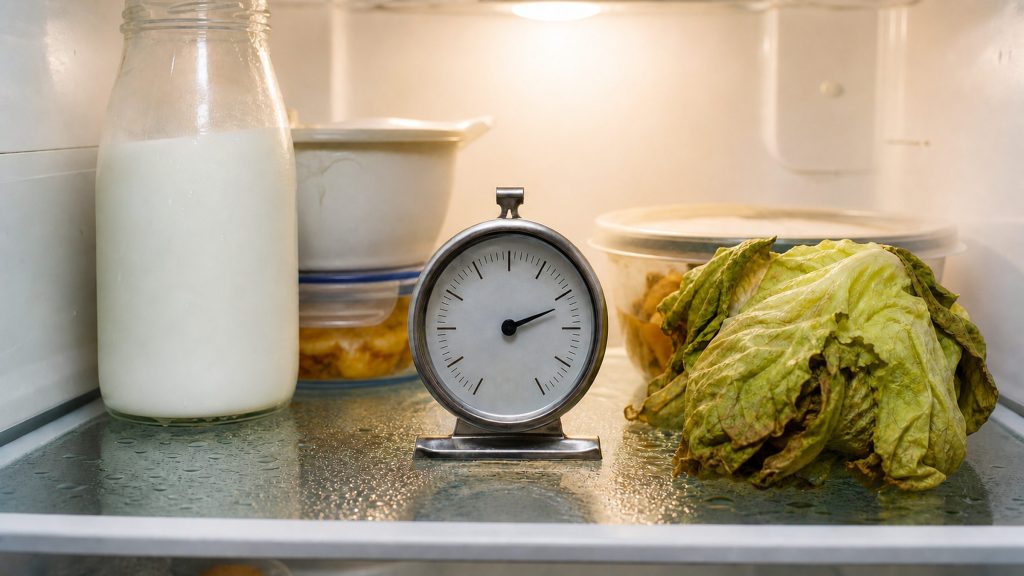
A cabinet that is cold, but not at its set point, and never has been since something changed. On this make that pattern has a specific and documented cause that shows nothing on the display, which is why it gets lived with for months.
- A few degrees out, all the time
- Worse when the kitchen is warm
- Runs longer than it used to
-
Ten minutes on, forty minutes off, over and over It cycles on and off in a strange rhythm
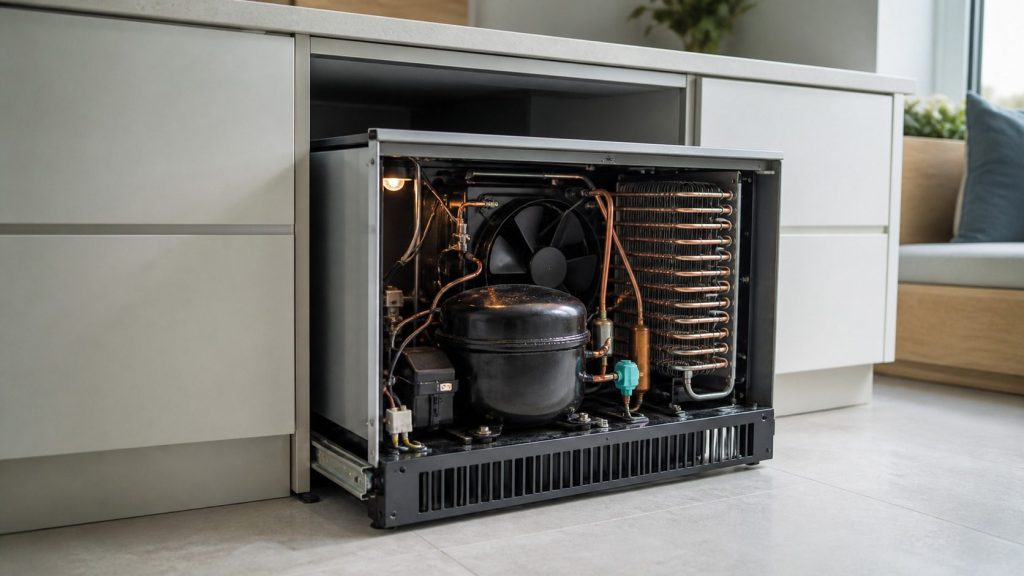
This one is worth its own page because the rhythm is a diagnosis. U-Line publishes the numbers: when a zone sensor fails, a 2000 Series unit runs ten minutes on and forty minutes off, whatever the cabinet actually needs, and says nothing about it.
- A fixed rhythm that ignores the load
- Nothing on the display
- Started suddenly rather than gradually
-
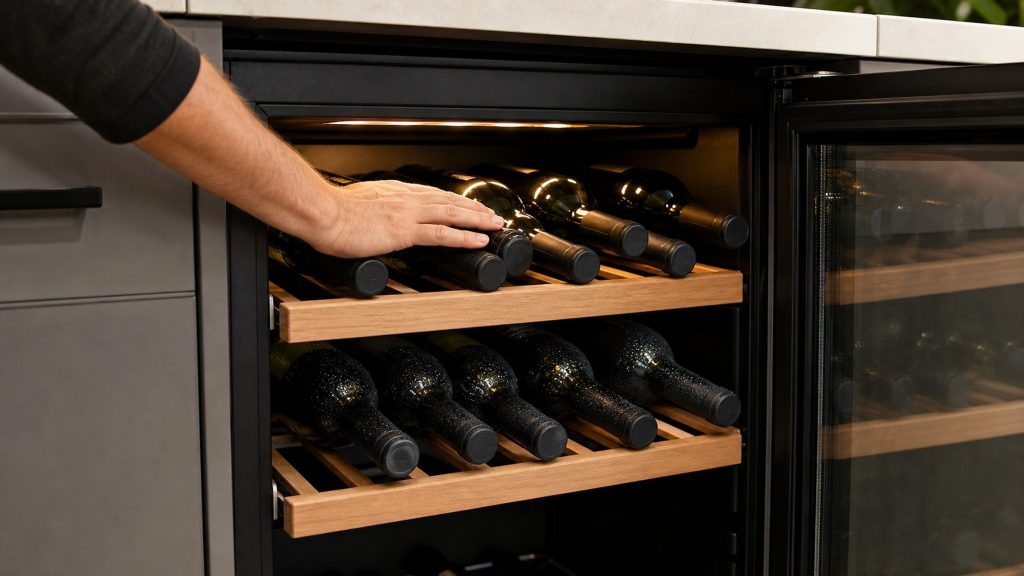
A cabinet that shows nothing at all Wine cooler will not turn on
A dark cabinet is not necessarily a dead one. On this make two settings blank the display completely while the appliance carries on working, and both are enabled by holding a button somebody leaned on.
- Display blank
- No light, no sound, no display
- Cabinet still cold inside
-
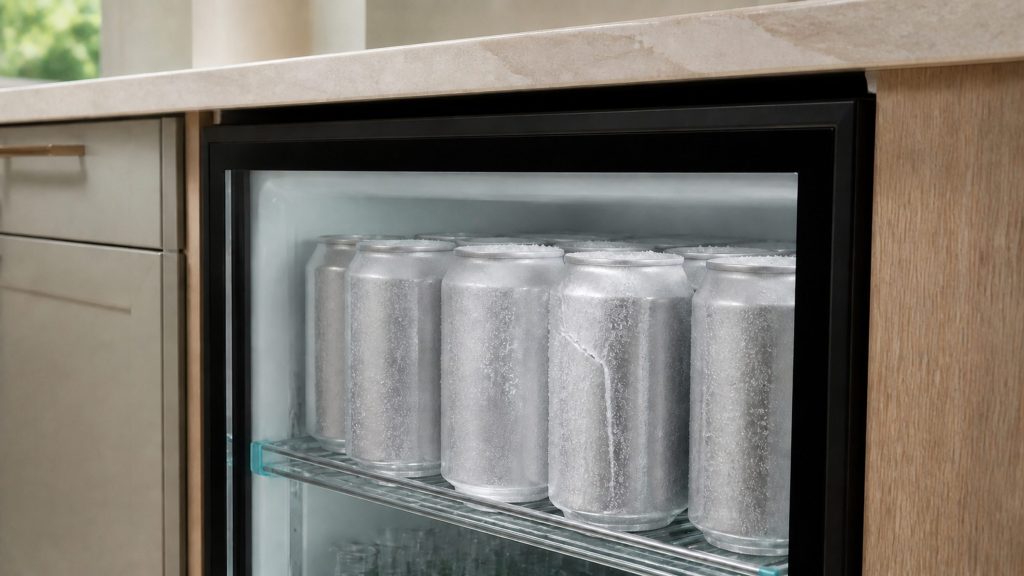
Too cold is a failure too It is freezing what is inside it
Frozen cans, a slushy bottle, or ice forming on the back wall of something that should never freeze. On this control that is a short list, and one item on it is not a failure at all.
- Cans freezing at the back
- Bottles slushy in the morning
- Ice forming on the rear wall
-
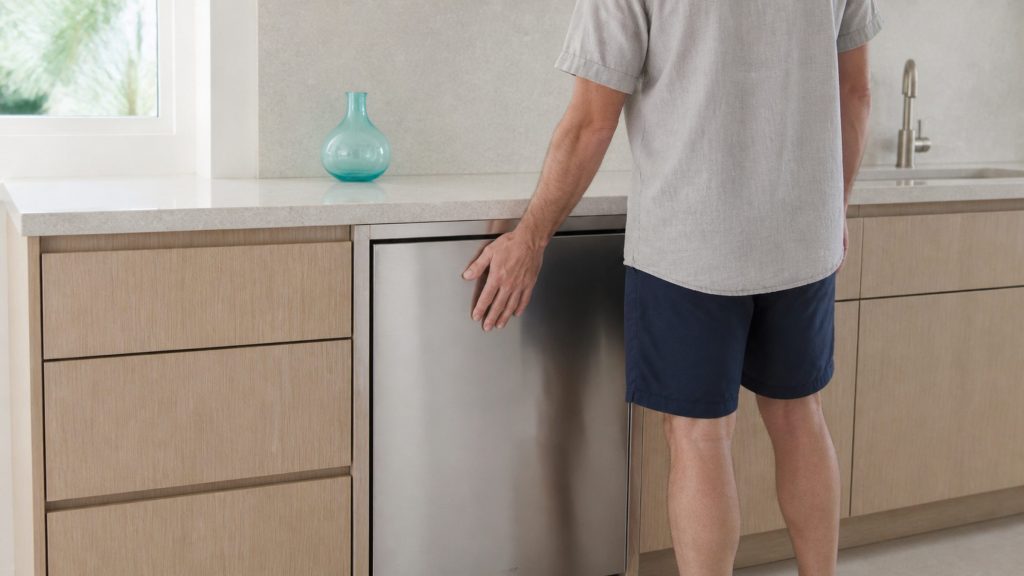
The one error this appliance says out loud It beeps and will not stop
On a U-Line there is exactly one thing that beeps, and the maker says so in every manual: all errors are logged in memory, and only the door error is displayed and carries an audible signal. So a beeping U-Line is a door until proven otherwise.
- A tone every minute
- A door icon on the display
- Beeping with the door shut
What we do on it
Repairs we carry out on U-Line undercounter refrigerators
Starting figures for this equipment in South Florida. The exact cost is confirmed after an on-site diagnostic — and this is not the whole list of what can go wrong, so call if your problem is not here.
-
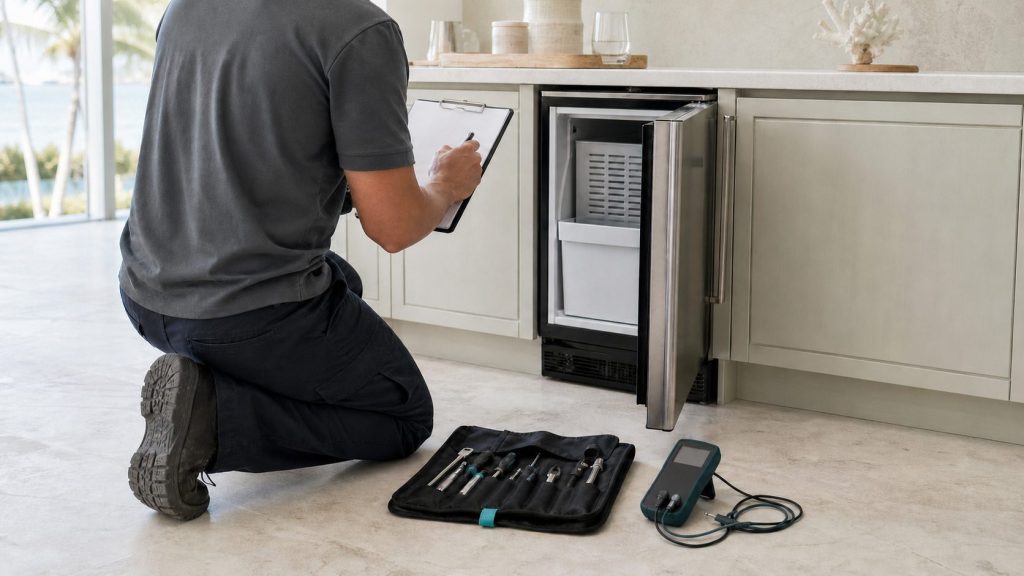
from $95 Diagnostic visit
We find out what is actually wrong before anybody quotes a part. On a U-Line that starts with a question most visits skip: is the appliance reporting a problem, or is it in a mode somebody enabled by accident? A unit that lights up and will not cool is showroom mode as often as it is a sealed system, and the two are not the same conversation. The fee is credited toward the work when you go ahead.
- Modes ruled out before any part is named
- The error log read, not guessed at
- Credited toward the repair
-
from $165 Thermistor and temperature sensor replacement
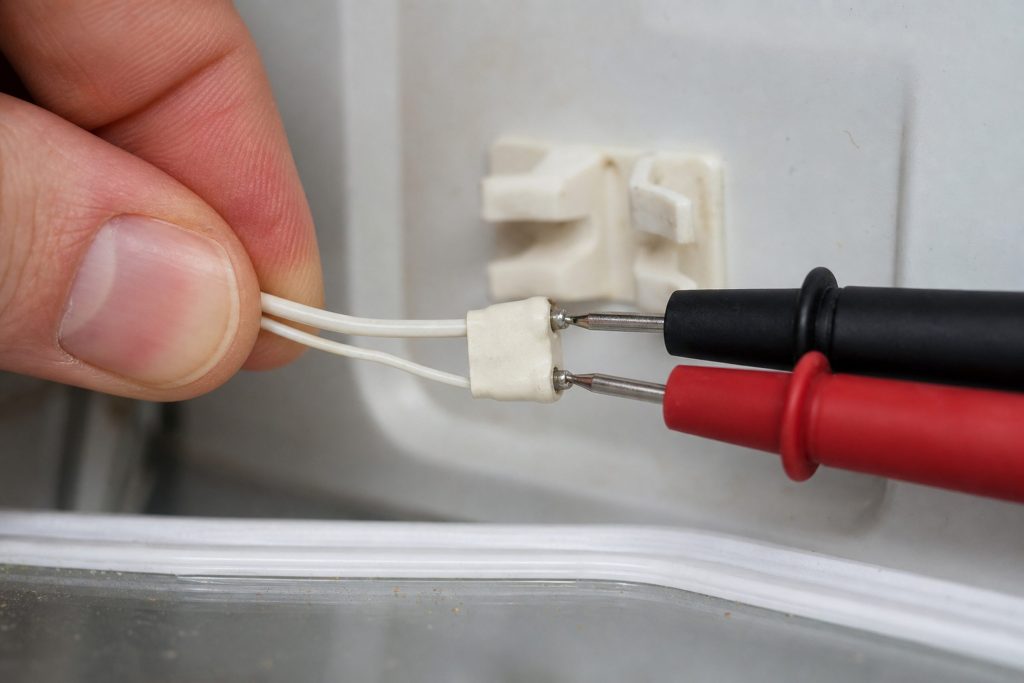
The most likely single failure on a U-Line, and the one the appliance is designed not to mention. When a zone sensor fails the unit does not stop — the maker's own backup keeps it cooling on a fixed cycle to protect what is inside, and it otherwise behaves normally. So the complaint that arrives is never "the sensor has failed". It is "it runs all the time and still is not cold enough".
- The failure behind most "not cold enough" calls
- Measured against the maker's own figure, not swapped on sight
- Connections cleaned and re-greased, which is half the repair
-
from $245 Control board and display repair
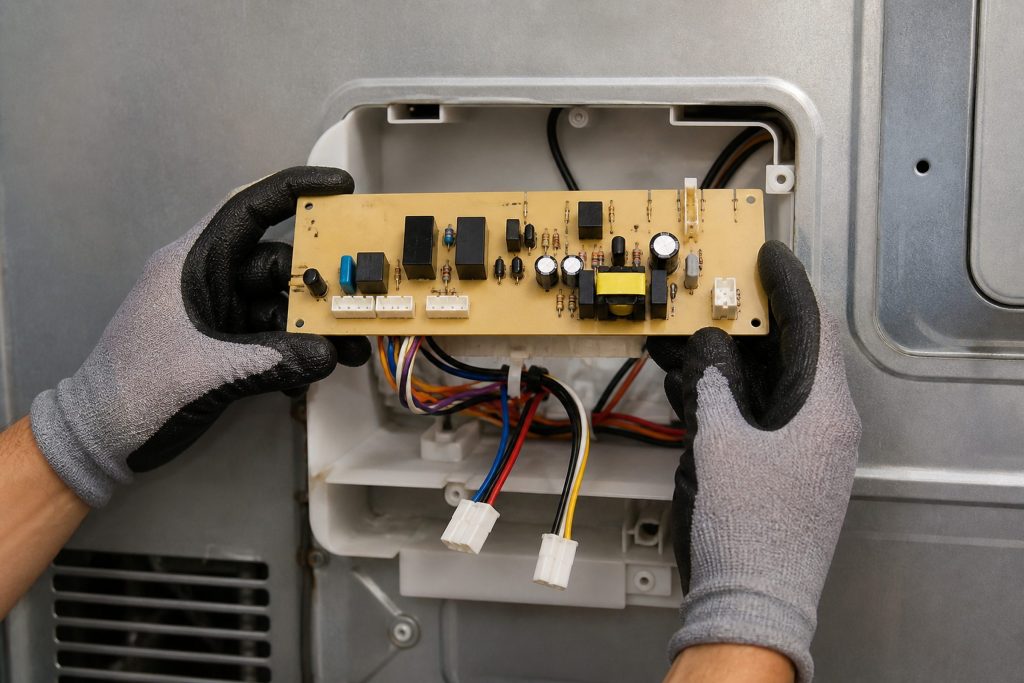
The part people reach for first and the one the maker itself says is rarely the cause. Its own manual calls the main control very robust and asks for the board to be fully diagnosed before it is removed — and then prints the flow chart to do it with. We follow that chart, because the alternative is an expensive part fitted to a problem it does not fix.
- Diagnosed the maker's way before it is condemned
- A blank display is checked as a mode first
- A new board is programmed to your model, or nothing works right
-
from $135 Door switch and door alert repair
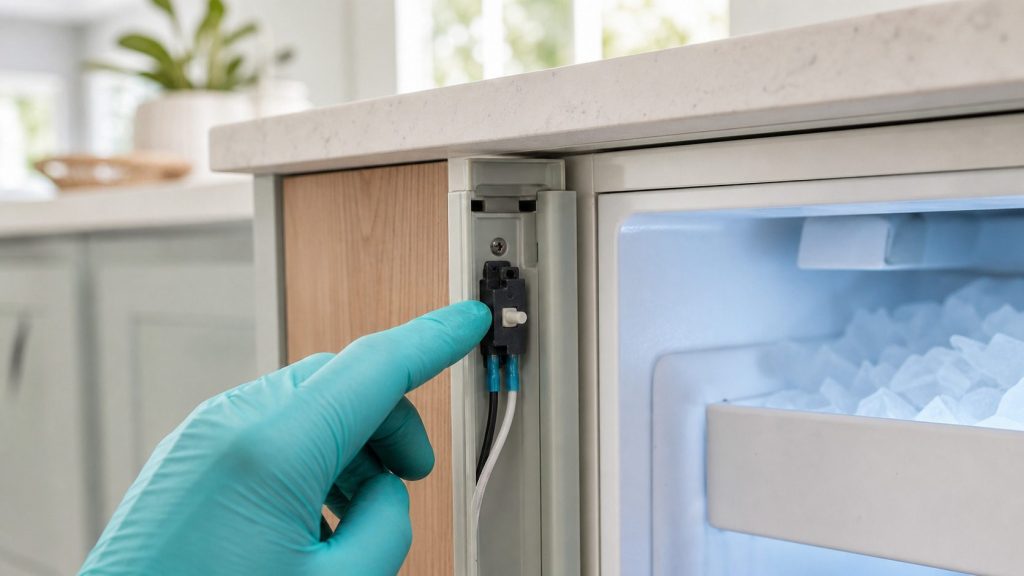
The unit beeps every minute and shows a door icon, and the door is shut. On this make the door is the one error that reaches the display and makes a sound, which means it is also the one people live with for weeks. It is a switch and a magnet, and the maker's own power flow chart ends on replacing it.
- Plunger switches on solid doors, reed and magnet on glass
- The alert traced to the switch or to the door, not both
- Alignment checked against the cabinetry either side
-
from $155 Door seal replacement
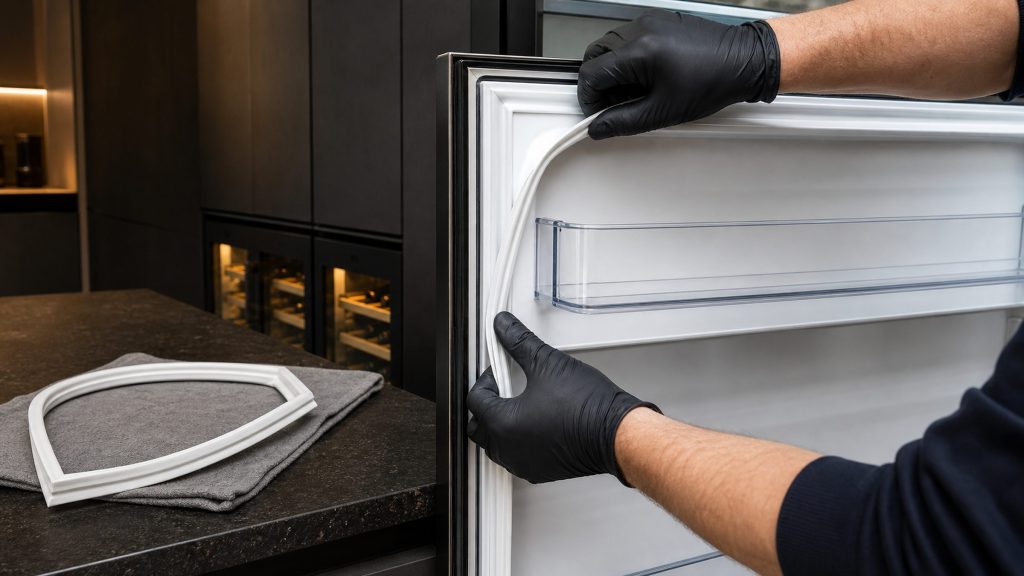
The cheapest part on the appliance that costs you temperature, and the first thing worth looking at behind condensation on a wine cooler door. A seal that has taken a set no longer touches the cabinet along its whole run, and the gap is usually somewhere nobody looks — the hinge side, low down, behind the door front.
- Checked along the whole run, not at the handle
- Fitted to a door that closes square, or it will fail again
- Condensation and frost traced to the seal before anything else
-
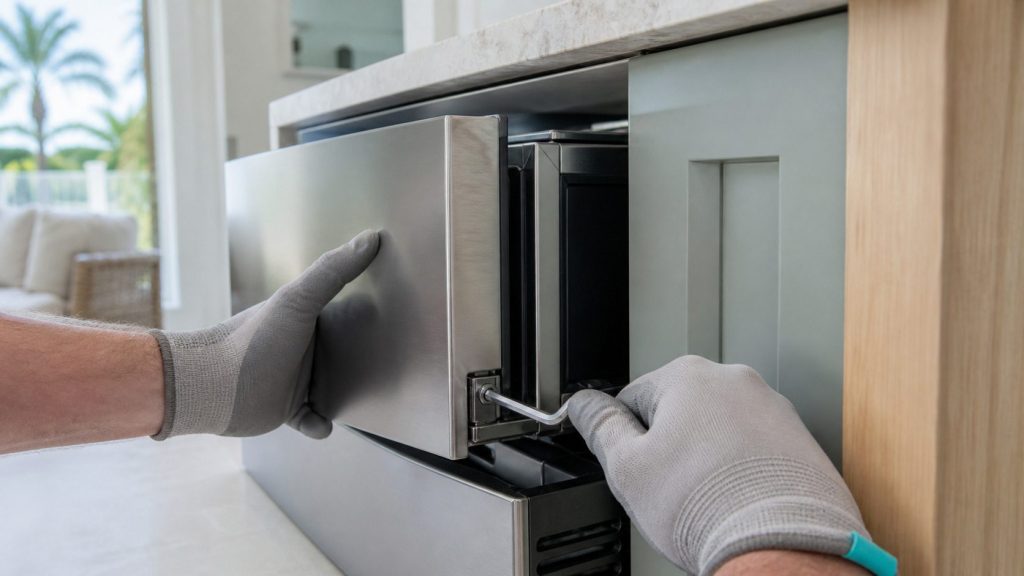
from $175 Door alignment and hinge repair
Priced apart from the seal on purpose: one is a part and the other is joinery. Nearly every U-Line is built in, and many carry a customer's own cabinet front on an integrated door. Aligning that door against the run either side — so it closes square, sits flush and does not hold itself open a millimeter — is most of the visit and is the part nobody quotes for.
- Integrated doors aligned against your cabinetry, not just to the appliance
- Door swing, door stop and adjustment as the maker sets them
- A door that closes itself instead of resting
-
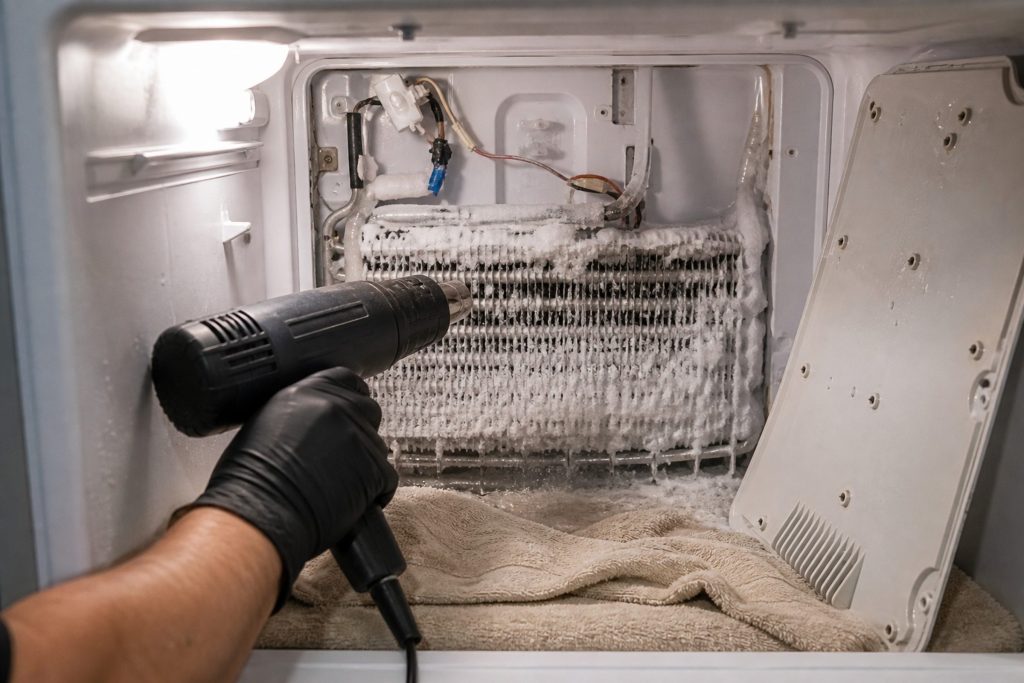
from $185 Cooling and defrost repair
Frost where there should not be frost, or a cabinet that has quietly stopped keeping up. On these controls the defrost interval and duration are settings rather than a mechanical timer — the service menu will show and change both — which shortens the diagnosis considerably and also means a wrongly programmed board can produce this on its own.
- Defrost interval and duration read off the control
- Frost told apart from a seal problem before parts
- The maker's own thresholds, not a rule of thumb
-
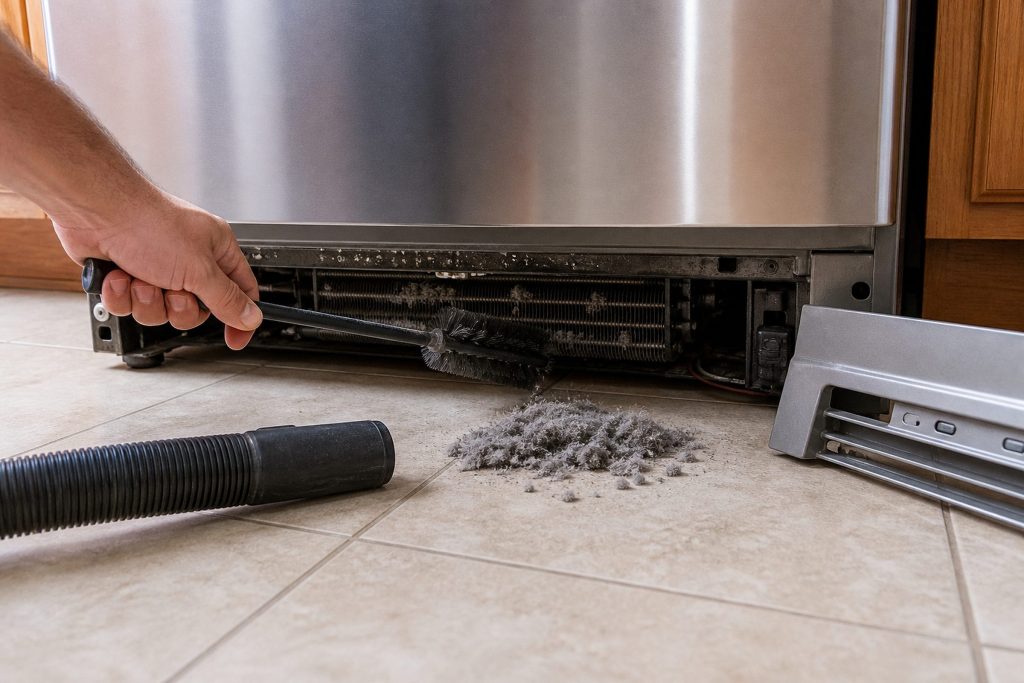
from $145 Condenser and airflow service
The maker's own first answer for a unit that is not cold enough is the grille and the condenser, and on an undercounter appliance it is right more often than anywhere else: the condenser sits behind a grille at floor level, in a kitchen, under a counter. It fills with dust and lint, and the unit does not complain — it just runs longer and holds less.
- The maker's own first check for "not cold enough"
- Cleaned the way the manual allows, not with a chemical
- Clearance around the unit checked, not only inside it
-
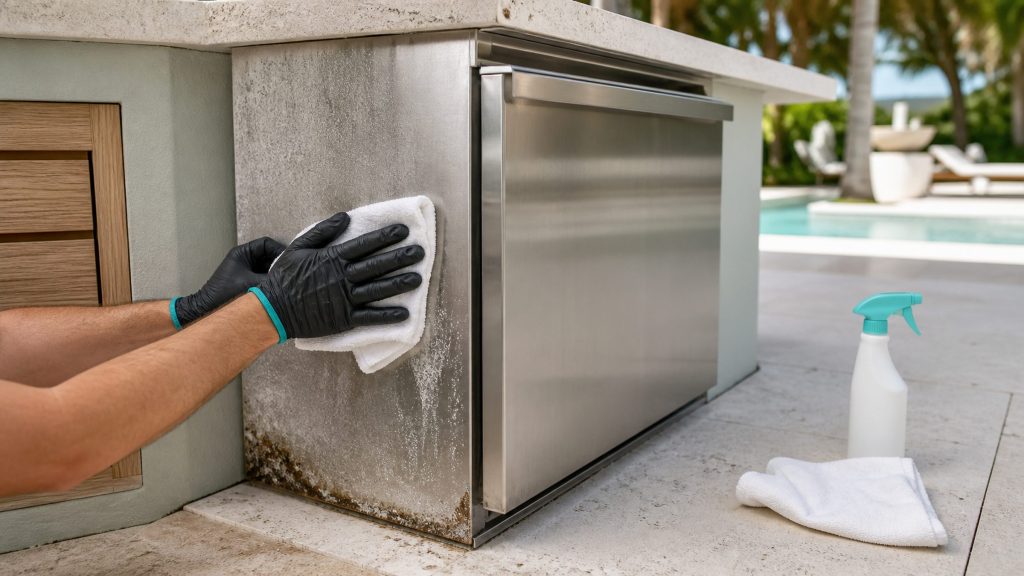
from $195 Outdoor and marine unit service
A quarter of this catalog lives outside, and salt air is a different repair rather than a different setting. An outdoor unit's condenser breathes whatever the yard has, its fasteners corrode, and on the Marine models the appliance is on a boat. It is priced above the indoor condenser service because it is more work, and it is scheduled differently because the interval between services is shorter.
- Salt, humidity and what they do to a condenser
- Corrosion checked on the fixings, not only on the coil
- Marine and 230V models included
-
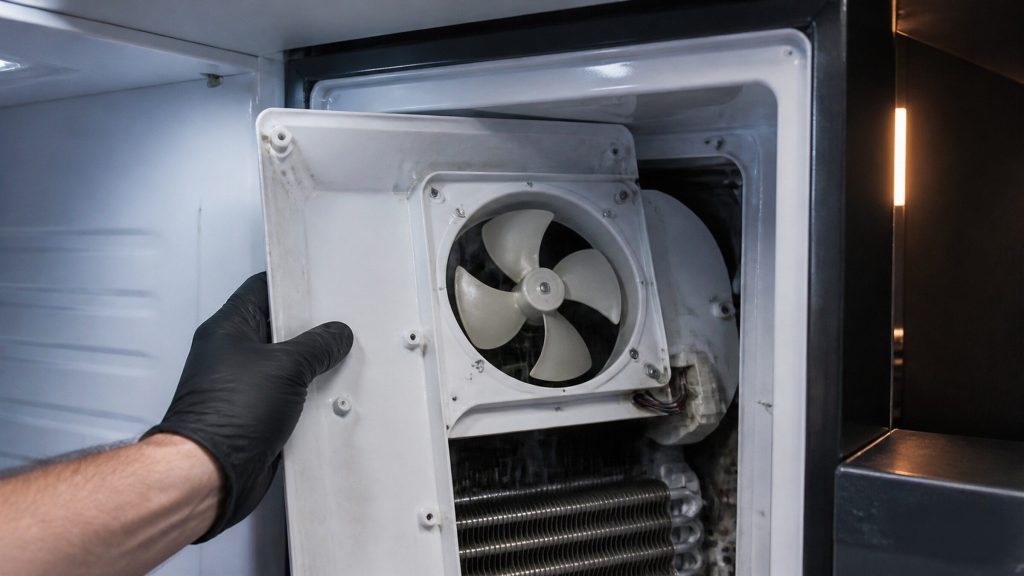
from $175 Evaporator fan and running-noise repair
A U-Line that has become noisy usually has one of two things wrong, and the maker names both: refrigeration tubing touching the cabinet, and a fan blade obstructed by wiring, foam or packaging. Neither is expensive. Both sound alarming through a cabinet door in a quiet room, which is why the call usually comes at night.
- The two causes the maker names, checked first
- Normal operating sounds told apart from problems
- Tubing repositioned rather than replaced where that is the answer
-
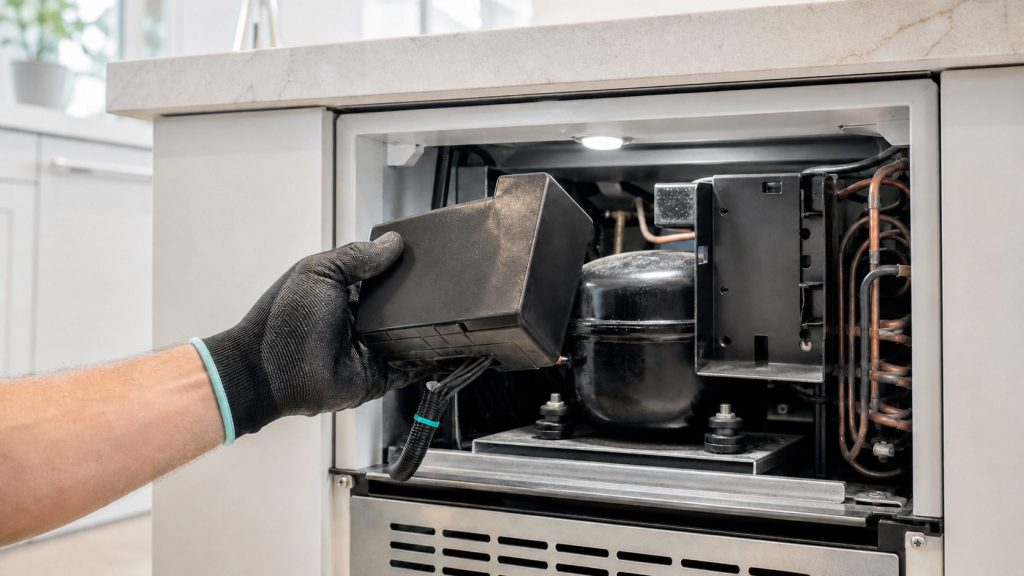
from $395 Variable-speed compressor and inverter repair
The 5 Class runs its compressor between 1,400 and 6,300 RPM under an inverter, and the maker's own compressor sheet names that inverter as both the starting device and the overload. So on these units the thing that used to be a relay and a start capacitor is a driver board, and a compressor that will not start is a different diagnosis and a different bill from the same symptom on an older machine.
- Inverter driver diagnosed before the compressor is condemned
- Compressor speed read and set from the service menu
- Priced apart from a conventional start problem, because it is one
-
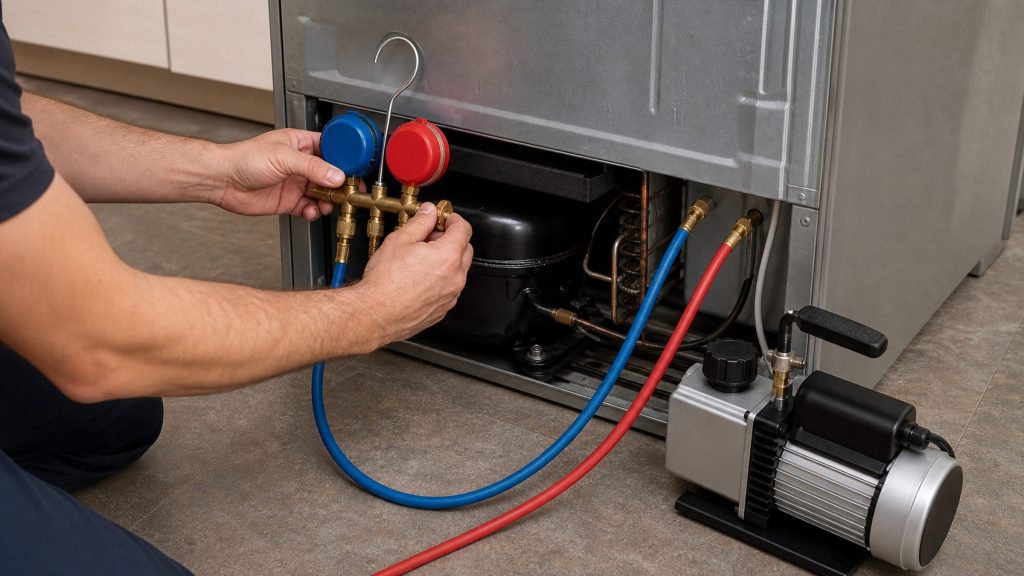
from $650 Sealed system repair
Refrigerant work: leaks, restrictions, an undercharge or a system that has lost its gas altogether. Licensed work with recovery equipment, and on the current U-Line range the refrigerant is R600a, which is flammable — that does not change the price but it does change who may open the system. It is the most expensive thing on this list after a compressor, and the most over-diagnosed.
- Diagnosed against the maker's own pressure and temperature table
- Ruled in, not assumed, after the sensors and the airflow
- An honest answer when the appliance is not worth it
-
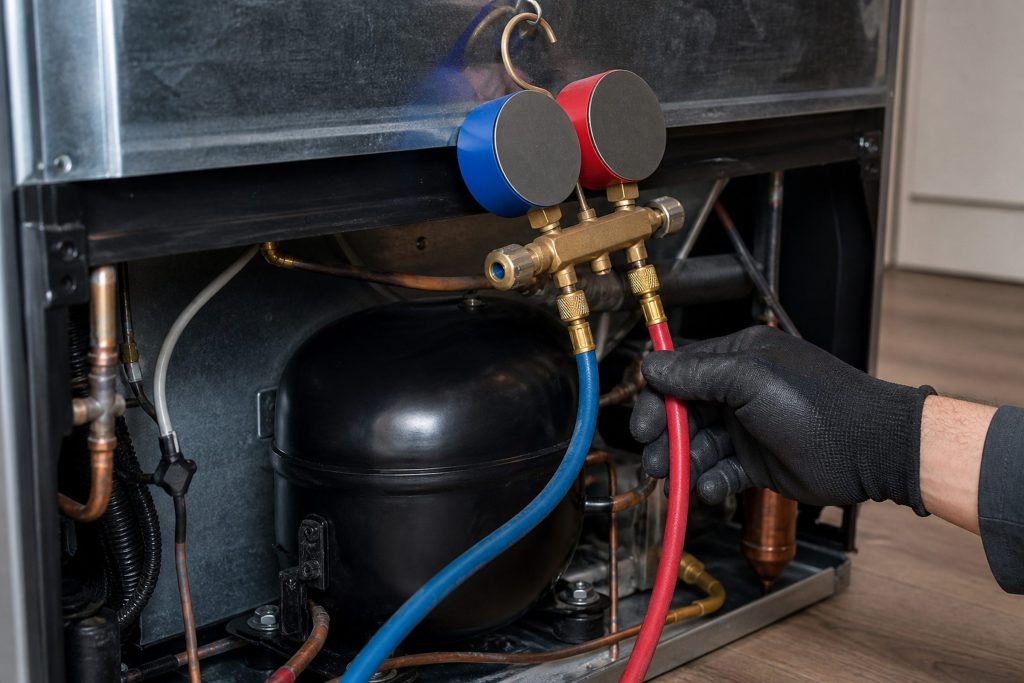
from $850 Compressor replacement
Sealed-system work plus the compressor itself, which is why it sits above the sealed-system figure rather than beside it. It is the biggest repair a U-Line can need, and on the smaller cabinets it is genuinely close to the price of the appliance. We would rather have that conversation before the work than after it.
- Confirmed by measurement, never by elimination
- Warranty position checked before anything is quoted
- The replace-instead arithmetic given plainly
-
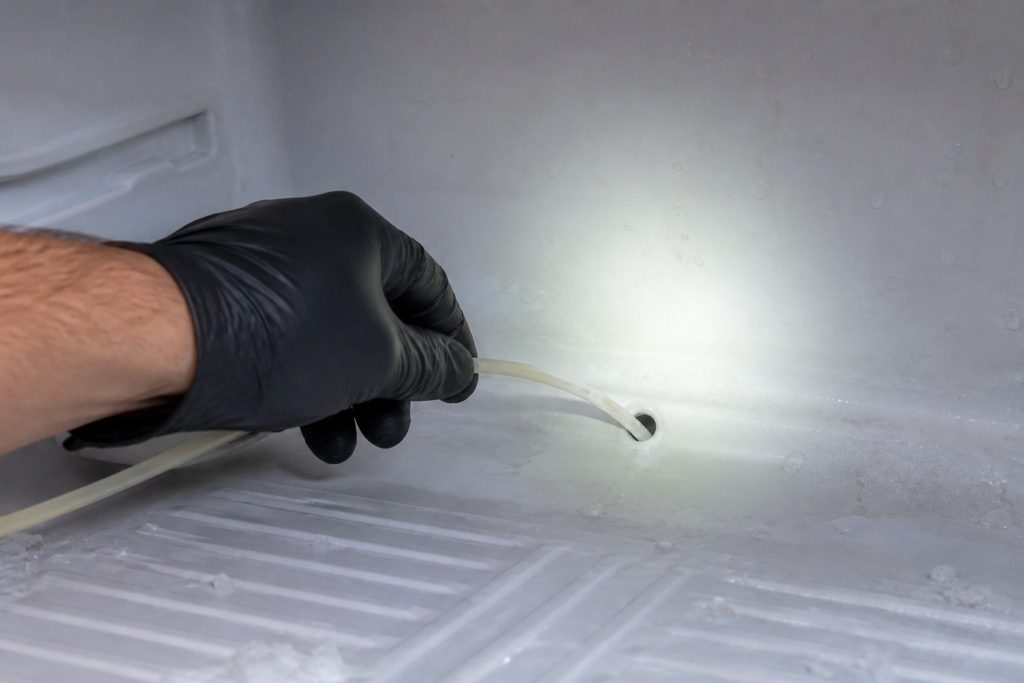
from $185 Drain pump and drain repair
Where there is no gravity drain, an ice machine has a pump, and the maker logs a circuit error for it — P1, qualified in the same breath as only if the unit has a drain pump. Half this job is establishing whether yours has one. The other half matters more than it sounds: on a built-in machine a drain problem damages joinery before it makes a puddle.
- Pump and gravity installations told apart first
- The hose run checked before the pump is blamed
- Cabinetry damage looked for, not waited for
-
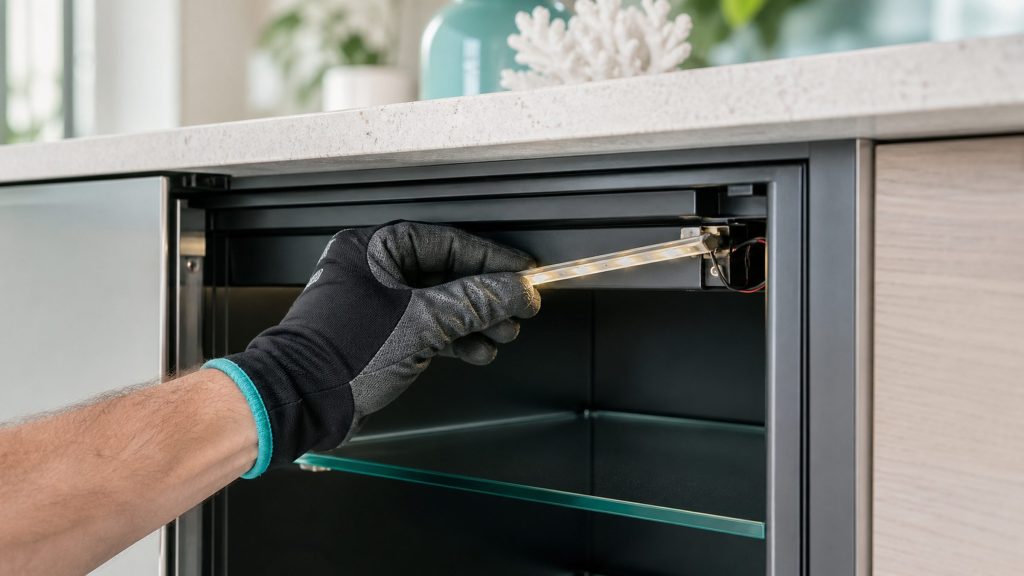
from $135 Interior lighting and BrightShield repair
LED strips, the actuator bracket the maker names in its own troubleshooting table, and on current models the antimicrobial module. Small parts and awkward access, and one particular trap: a light that will not come on is a Sabbath-mode symptom before it is a lamp, and a light that stays on when the door shuts is usually the bracket rather than the switch.
- Sabbath mode and the light switch ruled out first
- The actuator bracket the manual names, adjusted
- Color and brightness settings checked on current models
-
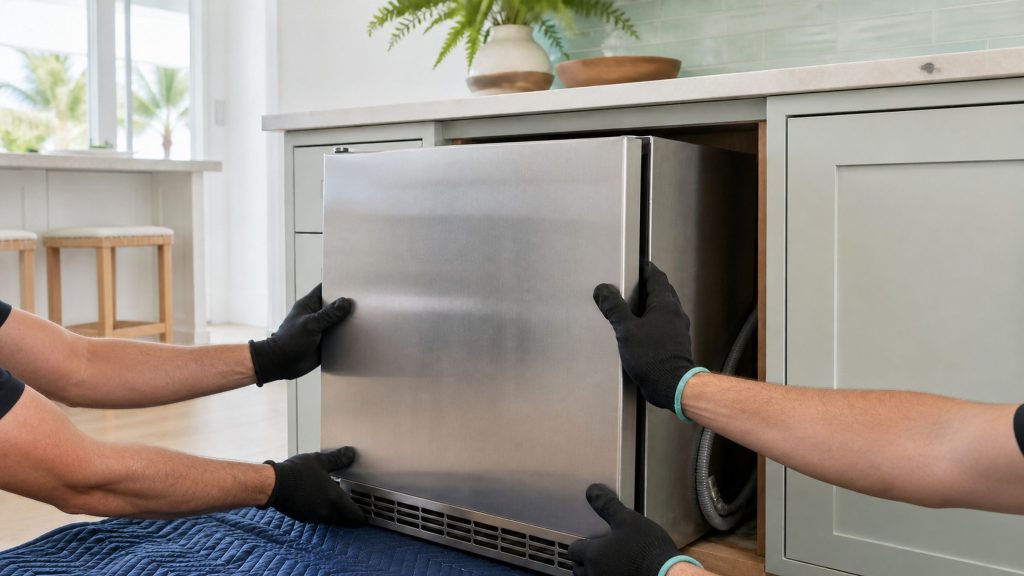
from $195 Built-in removal and reinstallation
Its own line on the invoice because it is its own work, and because it is invisible in a quote that does not name it. Nearly every U-Line is under a counter, many are behind a custom panel, and several are in a run with an anti-tip bracket and a fixed water connection. Getting the appliance out without damaging the joinery, and back in aligned, is a real part of most repairs on this make.
- Quoted openly instead of buried in the repair
- Anti-tip, grille, water and drain reconnected properly
- Aligned back into the run, not just pushed back
-
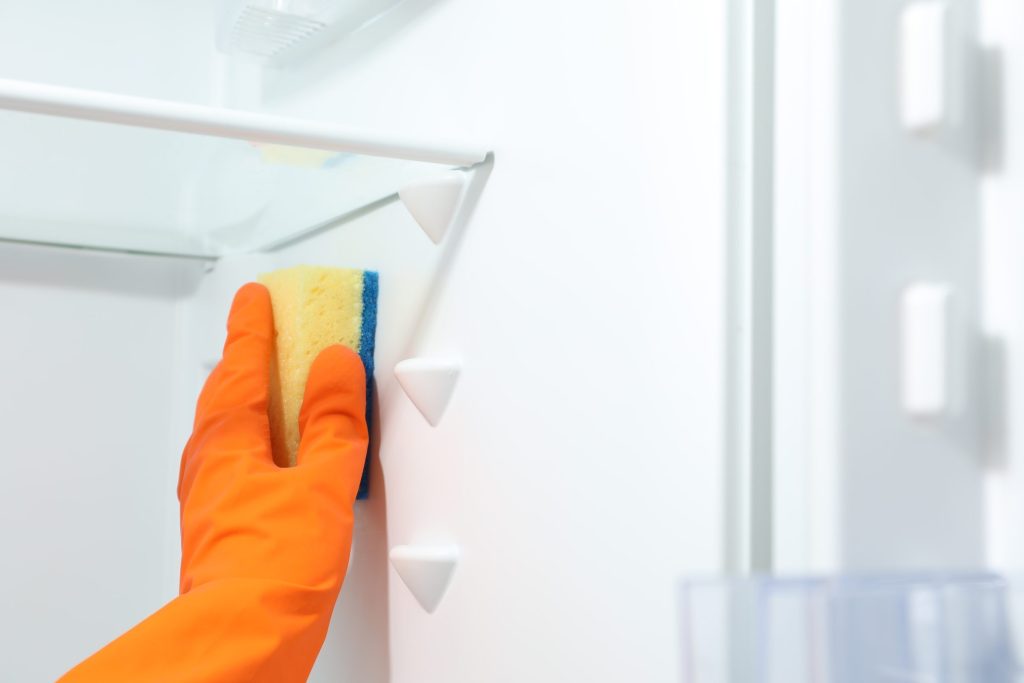
from $145 Appliance maintenance
The visit that stops the other visits. On this equipment it is a short and specific list, and in this climate it pays for itself: a condenser at floor level in a humid kitchen, a seal that works harder here than anywhere, a drain that must not block, and on an ice machine a cleaning cycle the machine itself has been asking for.
- Condenser, seals, doors, drain — and the ice cycle where there is one
- The maker's own intervals, adjusted for South Florida
- Findings written down, not just fixed
-
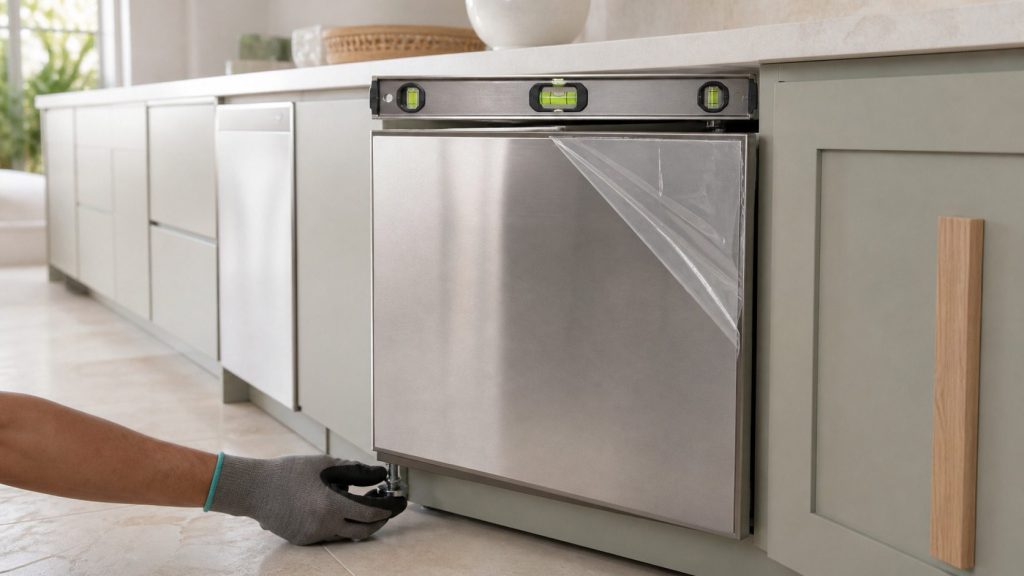
from $295 Appliance installation
U-Line publishes a cutout, a clearance, an anti-tip requirement, a door swing procedure and a water hookup, and a unit installed against those specifications behaves for years. One installed without them produces exactly the complaints this site is otherwise about: a door that will not seal, a condenser that cannot breathe, a drain that backs up.
- Cutout and clearance against the maker's own figures
- Anti-tip bracket fitted, every time
- Water and drain done properly on the machines that need them
In more detail
About U-Line undercounter refrigerators
An undercounter cabinet is a different appliance from a full-size one
Not smaller — different. There is less air in it, so a door left open changes everything inside it quickly. The condenser is at floor level behind a grille, in a kitchen, where it collects what floors collect. And the cabinet is usually surrounded on three sides by joinery, which decides both how it sheds heat and how anybody reaches it.
What U-Line actually builds here
Fifteen, eighteen and twenty-four inch cabinets across the 1 Class, 5 Class, Home and Seamless collections, the 36-inch modular units in the 3000 Series, refrigerated drawers, and combination cabinets that run as a refrigerator and a freezer together. Solid doors, glass doors and panel-ready fronts on most sizes. The refrigeration is shared across the range; the cabinetry is where the models differ.
The three things that go wrong most
A temperature sensor, which hides behind the maker's own backup mode. The condenser and the grille, which is the first thing U-Line's own troubleshooting table says to check and is right surprisingly often. And the door — the seal, the alignment, or the switch that tells the control it is shut. Everything else is less likely than those three put together.
Why the display is not the diagnosis
Every U-Line manual with a code table carries the same sentence: all errors are logged in memory, and only the door error is displayed and has an audible signal. The numbers exist and they are behind a hidden key held for ten seconds. So a reader cannot look up what their refrigerator is telling them, because it is not telling them anything — and a visit that starts by reading that log starts ahead.
What to have ready when you call
The model number from the plate on the upper right or the rear wall inside, what the appliance is doing rather than what you think has failed, whether it is built into a run or standing in a gap, and anything showing on the display — photographed rather than described. On this make the display shows very little, so what you can see is worth more than usual.
This article is based on:
- Official manufacturer documentation
- Internal repair procedures
- Technician repair history
- Company quality standards
Before you book
Questions about U-Line undercounter refrigerators
It runs but it never gets cold enough. What is that usually?
On this make, a temperature sensor more often than anything else — and the appliance is designed not to tell you. U-Line's Self Preservation Mode keeps a unit cooling on a fixed cycle when a zone thermistor fails, so that the contents survive until somebody looks at it. On the 2000 Series that cycle is ten minutes on and forty off, regardless of what the cabinet needs. Nothing appears on the display. The cabinet simply never arrives, and the complaint that reaches us is a sealed system that is usually fine.
The display works and the light works but nothing is cold.
Check the degree symbol before anything else. If it is flashing rather than steady the unit is in showroom mode, which is a demonstration setting that runs the display and the light and switches the refrigeration off entirely. It is two keys held for five seconds in each direction. Floor models get sold and units arrive in it more often than anybody expects.
Mine is a panel-ready model. Does that make a repair harder?
It makes the access a planned part of the appointment rather than the first five minutes of it. The refrigeration behind an integrated door is the refrigeration behind a stainless one, and the parts are the same. What changes is that the appliance is fitted into joinery, carries a door front that belongs to your kitchen, and has to go back aligned against its neighbors. Saying so when you book is what gets that time set aside.
It is fifteen years old. Is it worth fixing?
Often yes, and we will tell you when it is not. U-Line's current range publishes between $1,909 and $6,219, and twenty of the seventy-six models in the catalog are out of production — so parts availability and the value of the cabinet are both real parts of the answer. A door seal or a sensor on a twelve-year-old unit is easy arithmetic. A compressor on a small out-of-production cabinet usually is not, and you should hear that before the work rather than after.
Where we do it
Across Miami-Dade, Broward, and Palm Beach
Same terms everywhere we go: an on-site diagnostic first, the price agreed in writing, and the exact figure confirmed once we have seen the unit.
Neighborhoods people ask for by name